Airlines

Premium experience requires consistency across the fleet
Passengers judge the premium promise the moment crew speak. Delivery needs to hold, flight after flight.
ELSA for aviation
ELSA Business builds one standard of English communication for the clarity that safety, schedules, and passengers all depend on, across airlines, airports, ground handling, and MRO.
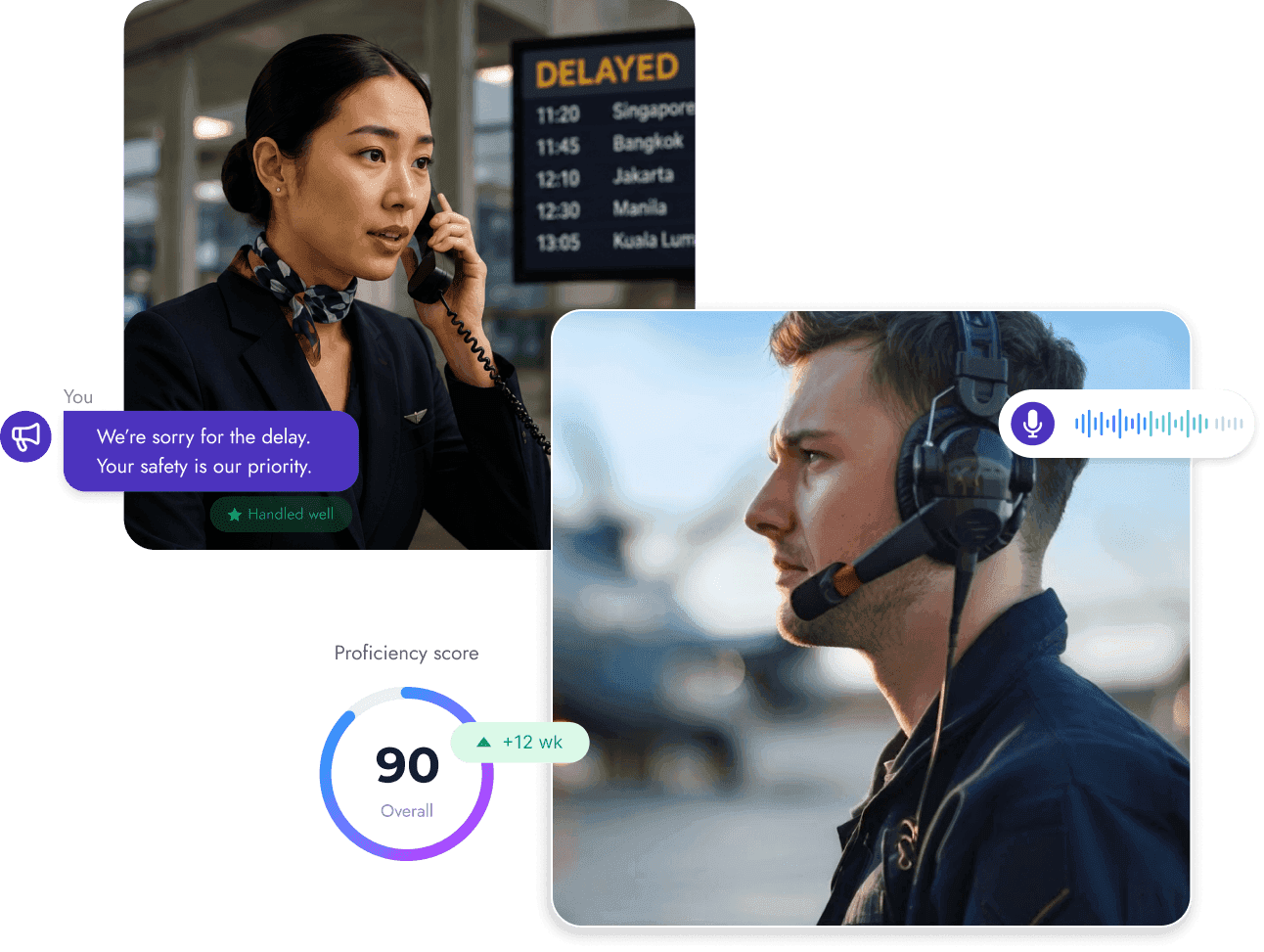
Airlines
Passengers judge the premium promise the moment crew speak. Delivery needs to hold, flight after flight.
Reservations & customer support

Agents manage expectations and de-escalate in real time, often in a second language. How they communicate decides whether the passenger stays loyal.
Airports & ground handling
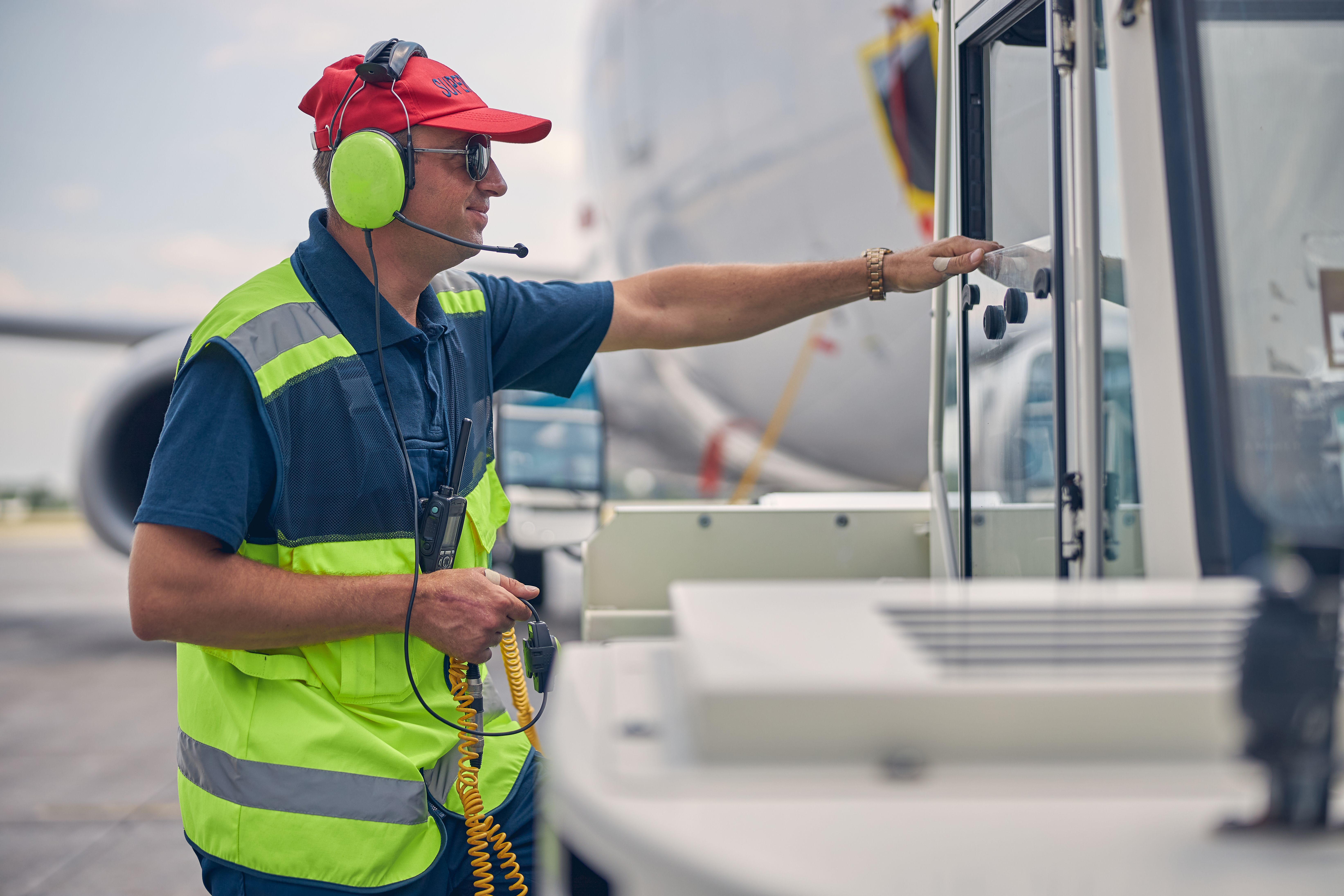
Ground crews, dispatch, and gate teams hand off constantly, under time pressure. One missed cue costs minutes the schedule doesn't have.
MRO & technical operations
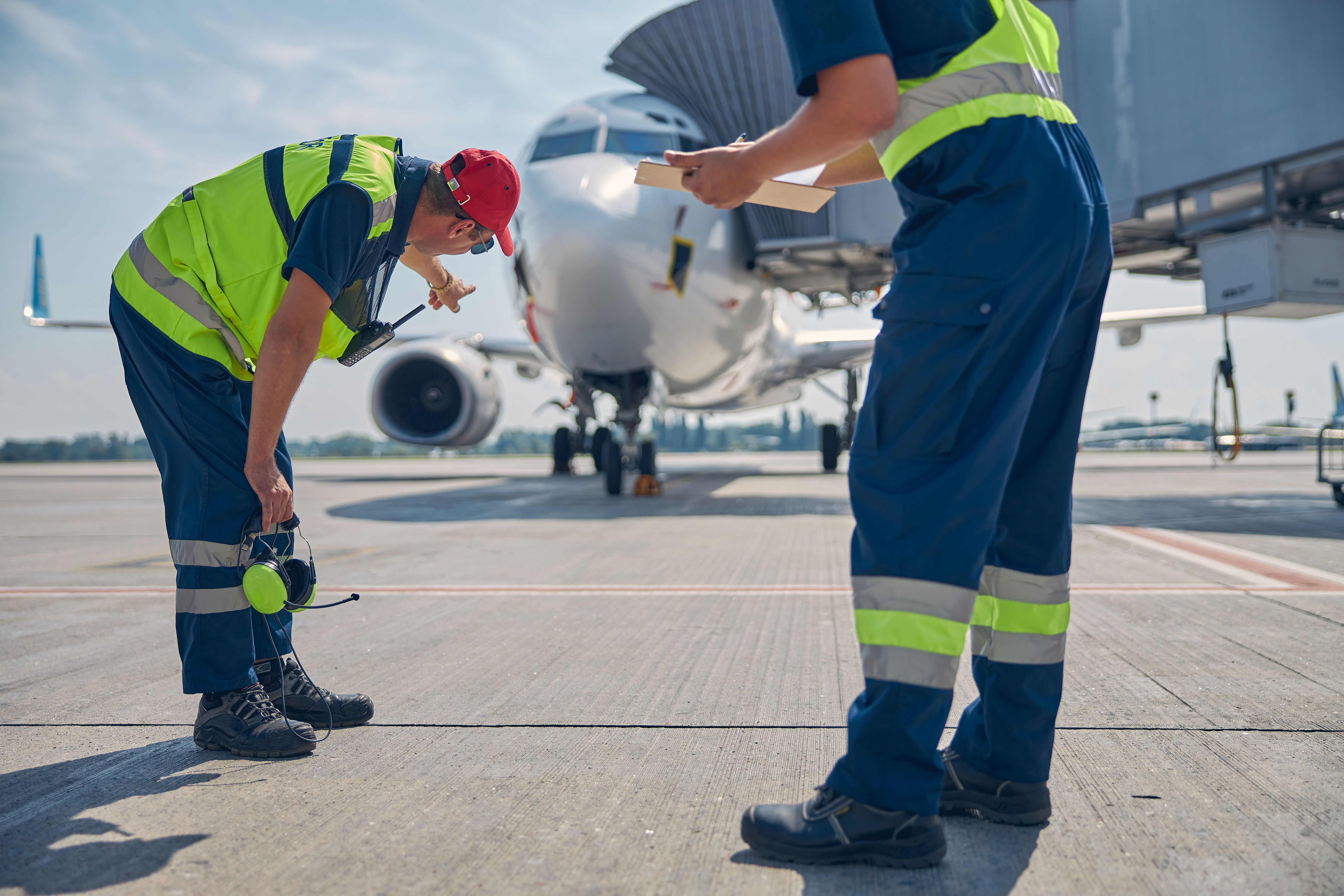
Manuals, findings, and handoffs run in English, across teams. A misunderstood detail here isn't a service gap — it's a safety risk.

Level 4 (Operational)
English proficiency for pilots and air traffic controllers on international routes as required by ICAO
ICAO

English
is the mandatory international language of aviation
ICAO
ELSA Business gives each employee AI speaking practice matched to their level and role, on mobile, so it fits shift work without extra classroom time.
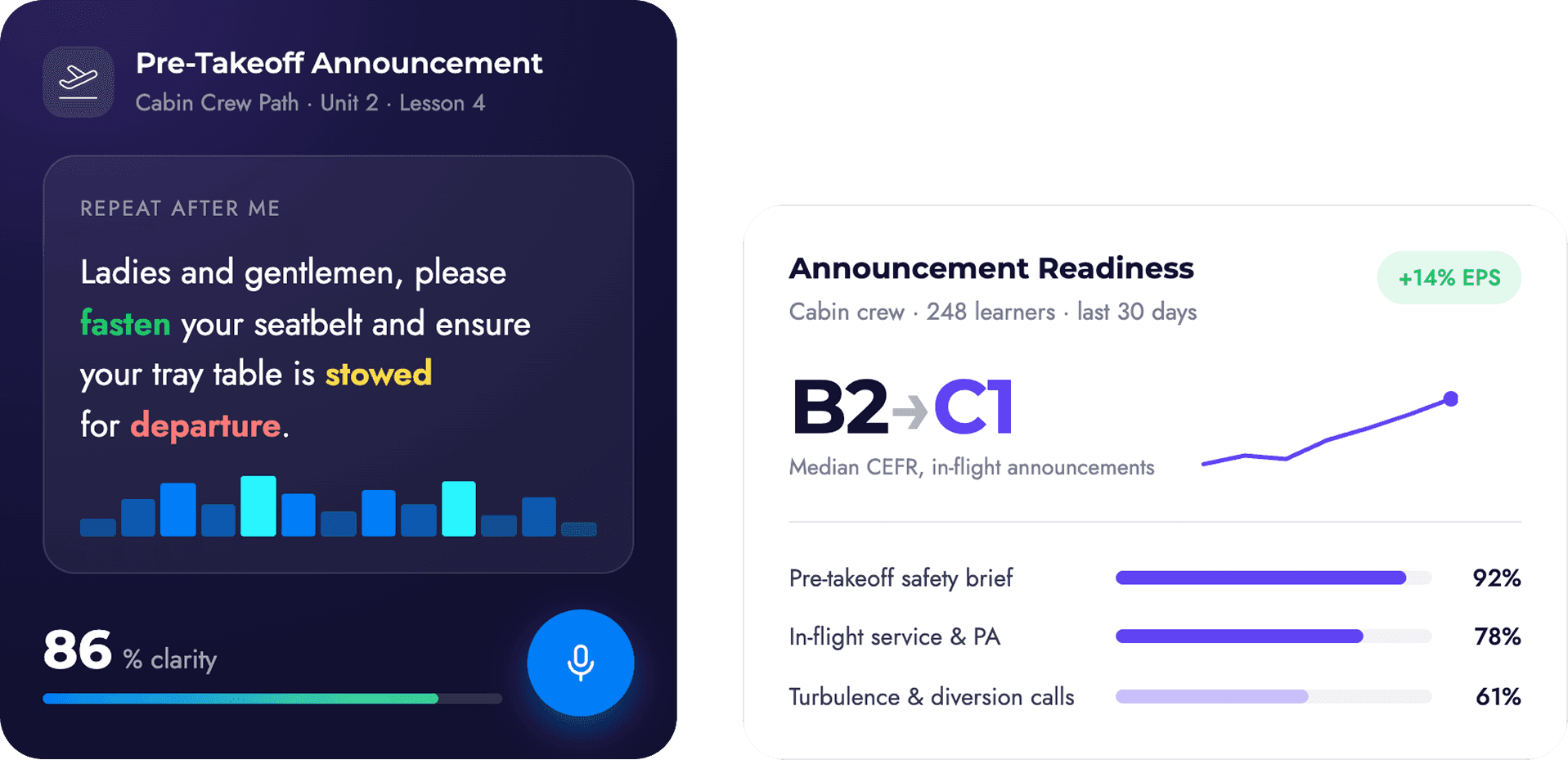
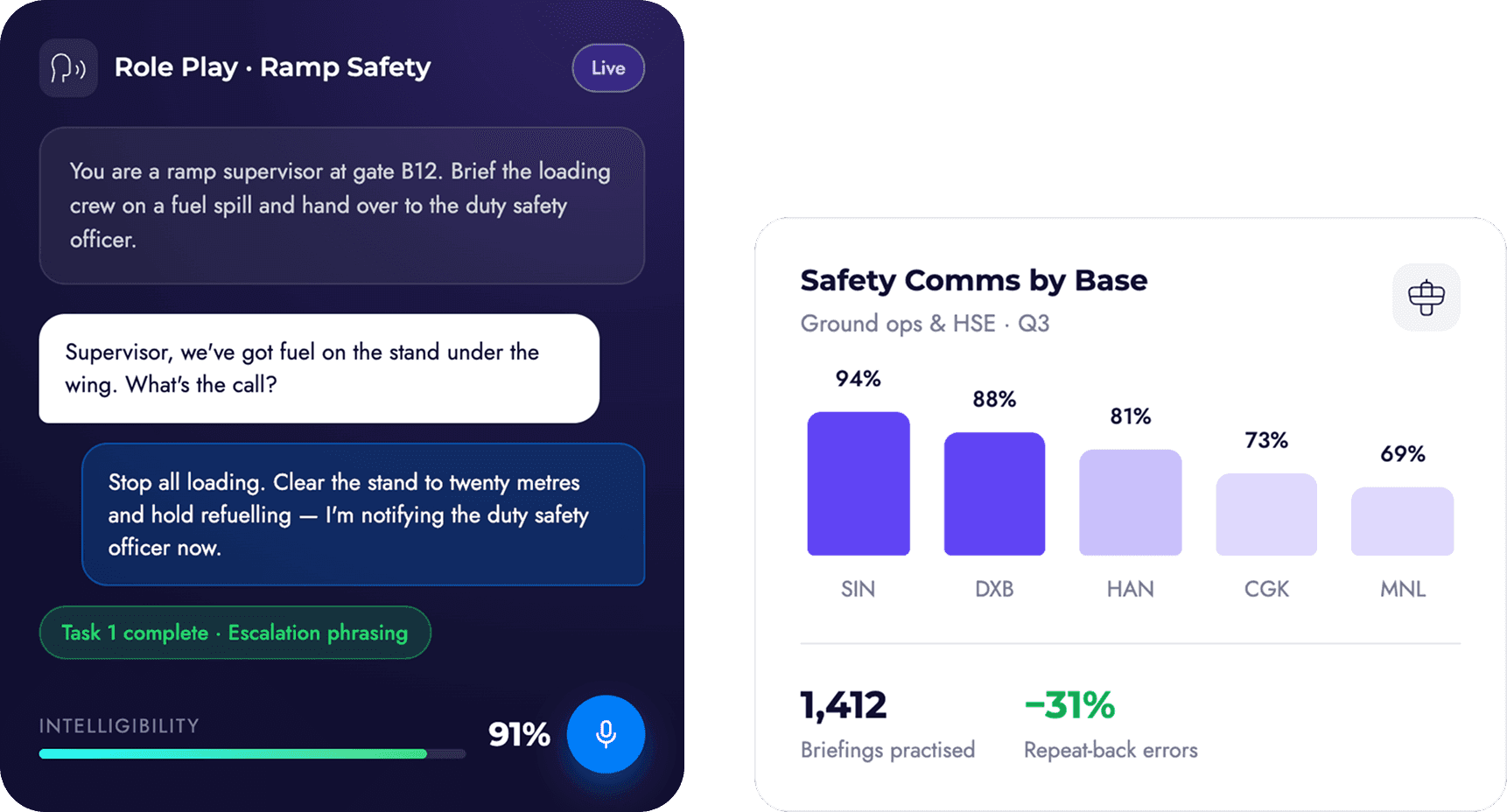
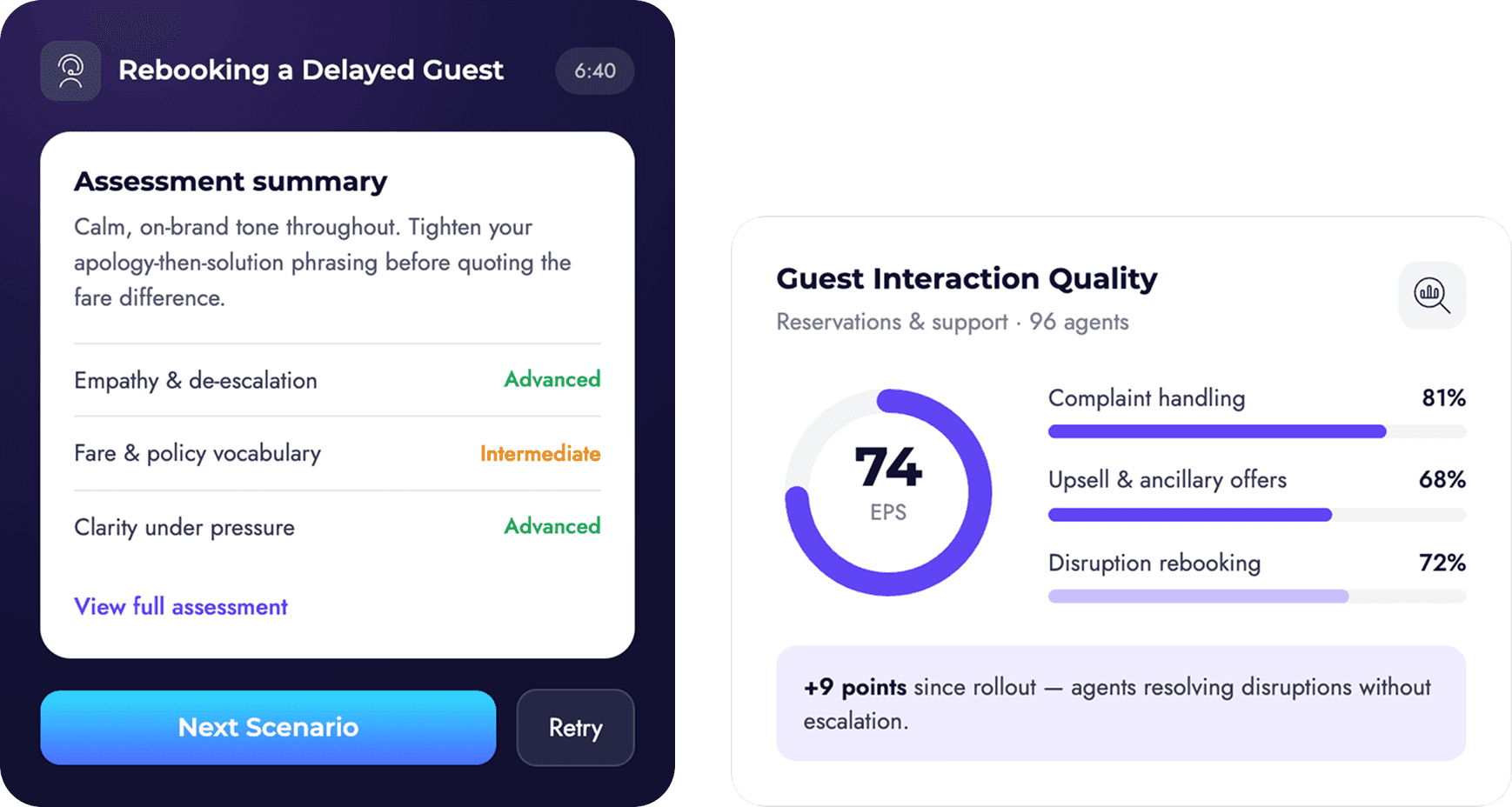
Crew, ground teams, and technicians practice their real work conversations, from safety briefings to ramp handoffs and passenger requests, with feedback on each.
AI Roleplay for real scenarios: a delayed connection, an upset passenger, a maintenance handoff. Instant feedback on tone and clarity.
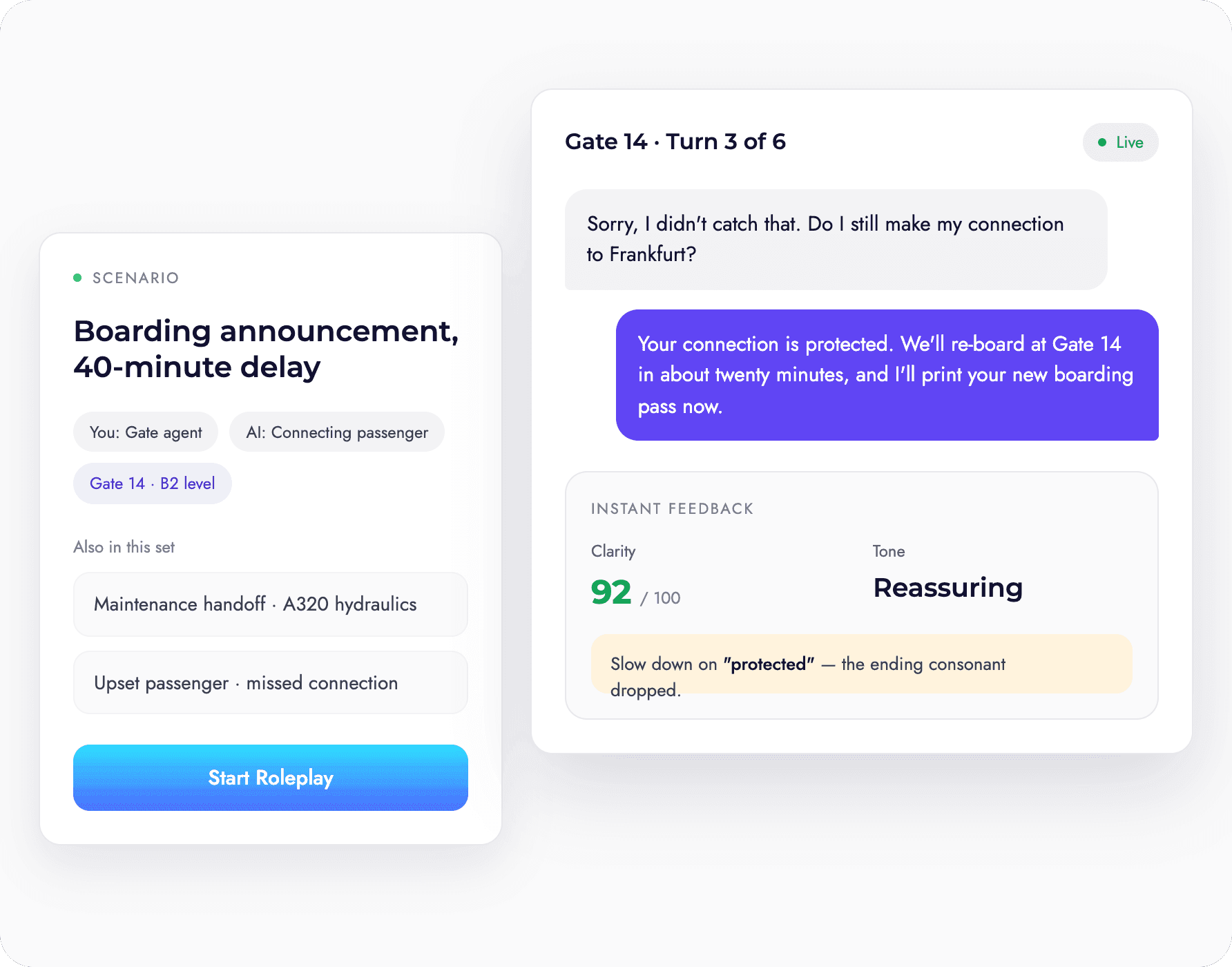
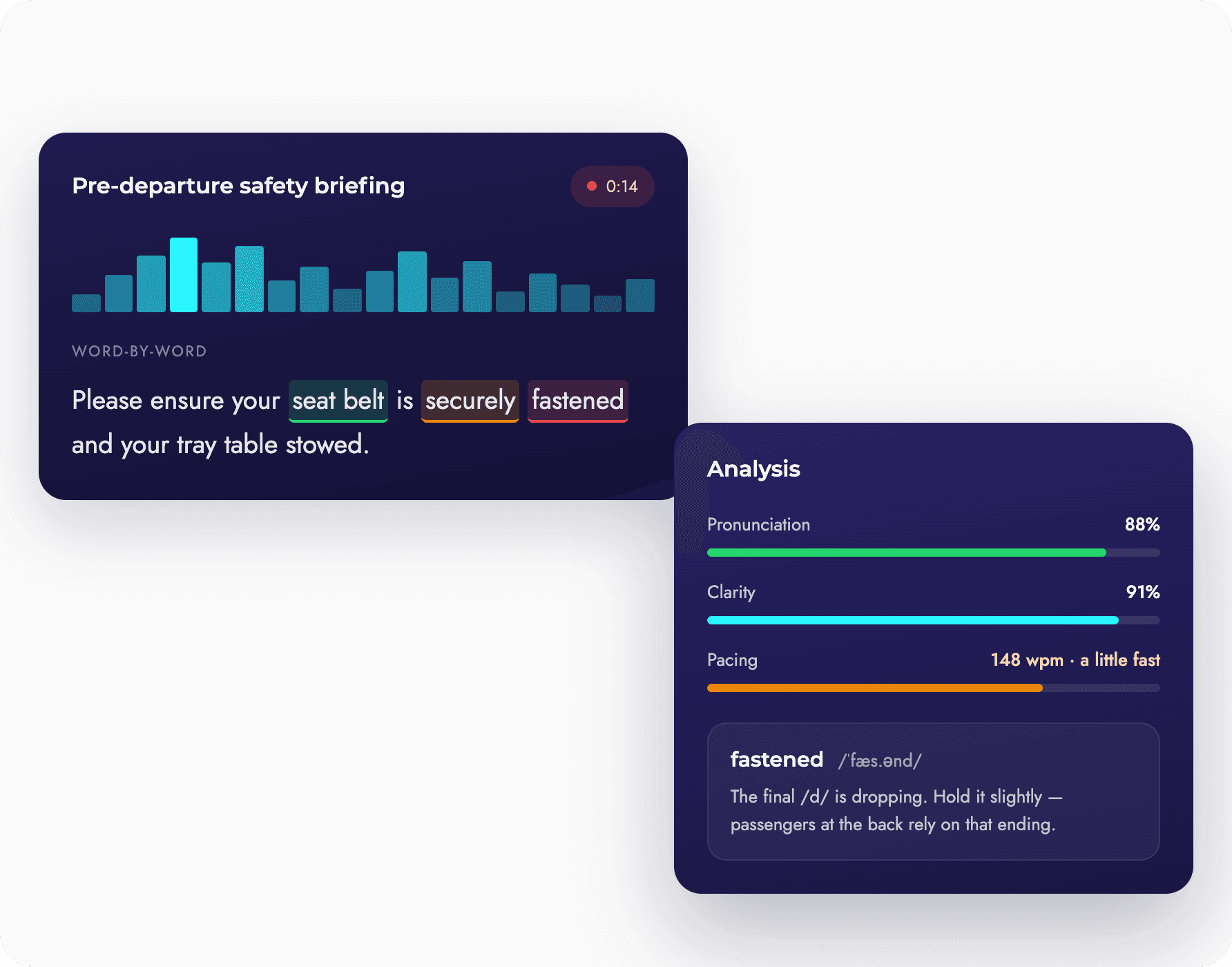
Speech Analyzer checks pronunciation, clarity, and pacing in real time, so briefings land clearly with every passenger.
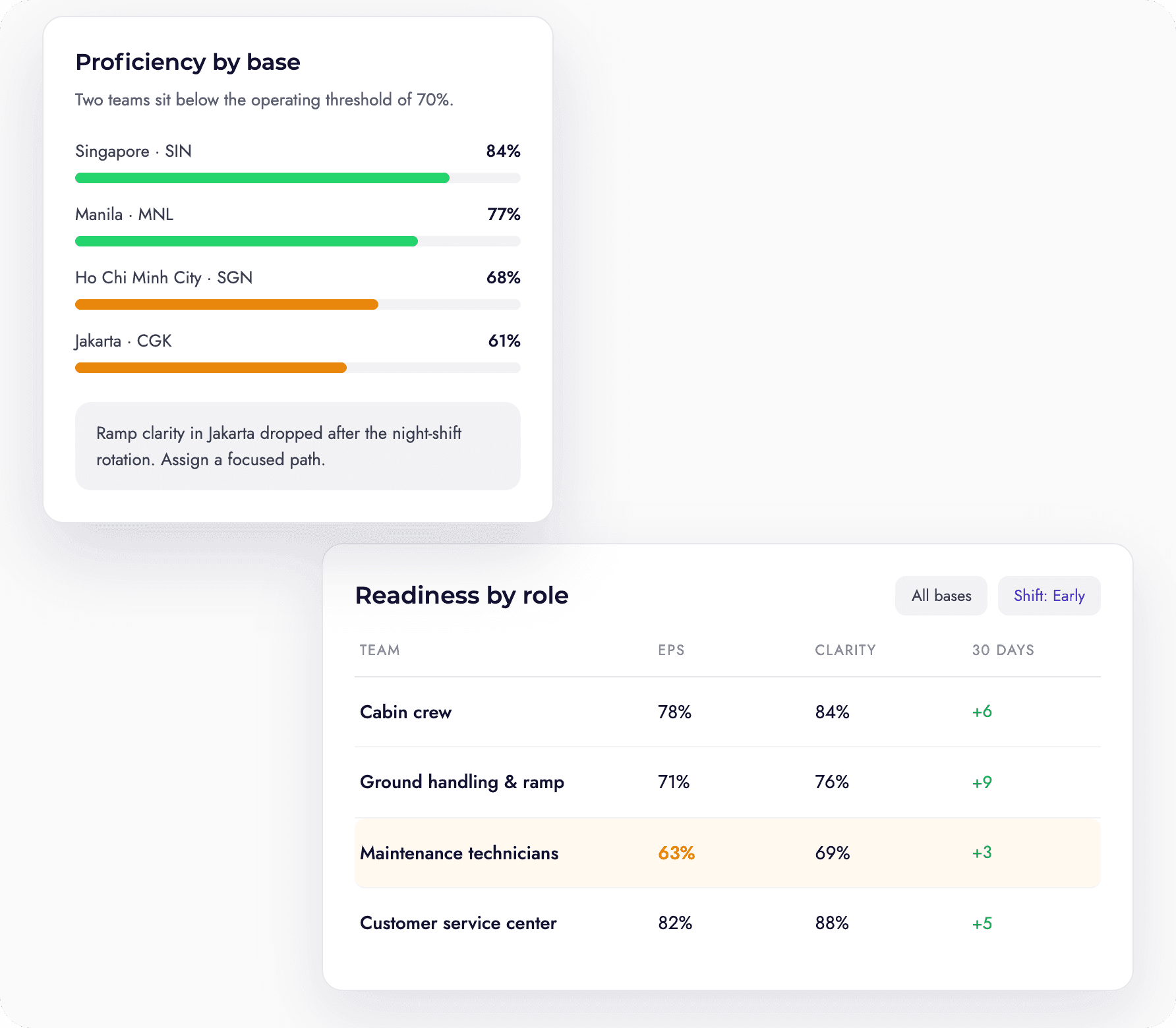
Admin Dashboard shows proficiency by base, role, or shift, so gaps surface before they become a problem.
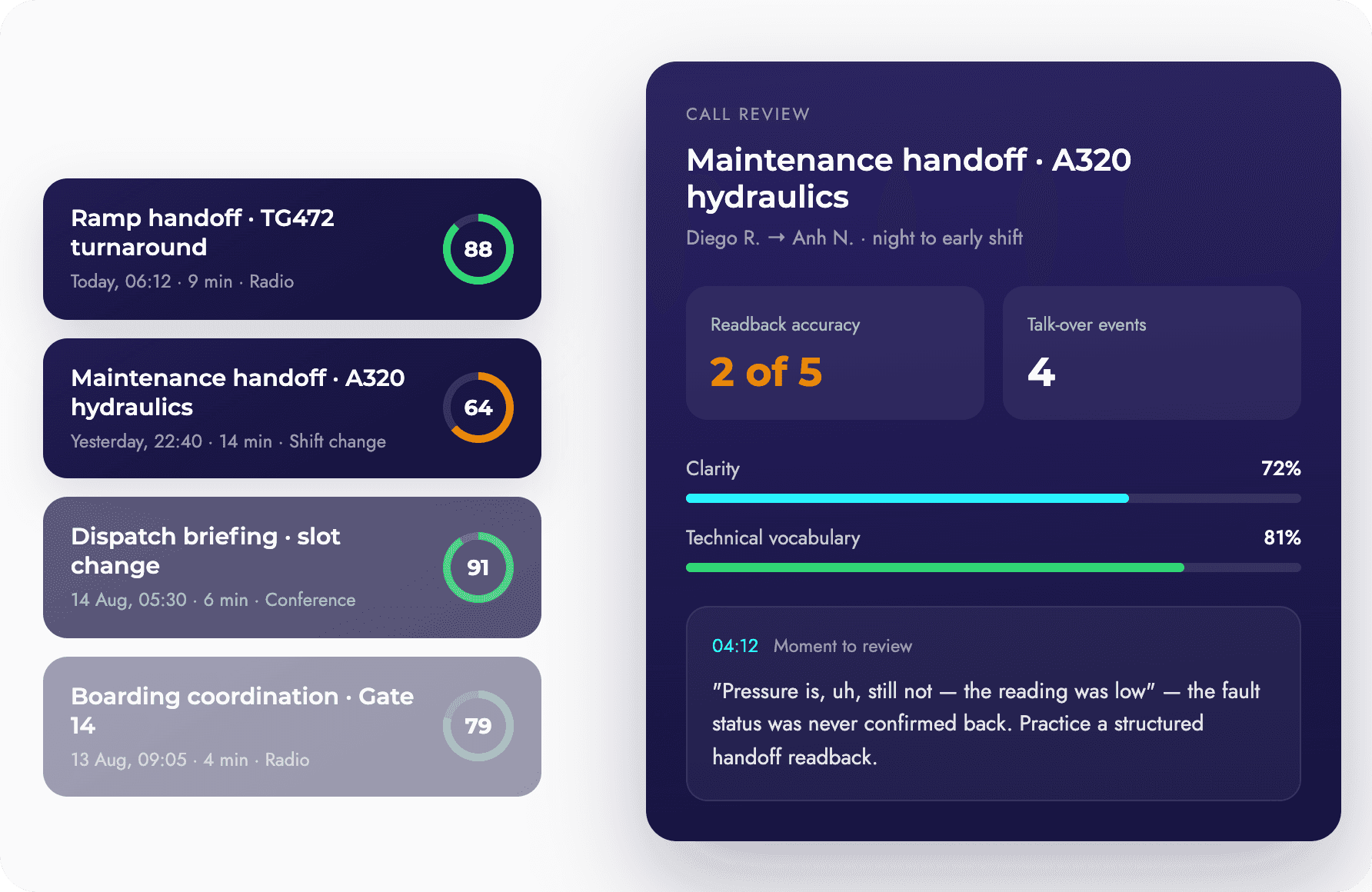
Meeting Companion scores real ramp and dispatch calls, so teams improve on the calls they're already making.
Real teams. Measurable workforce gains.
Aviation
"I am more confident speaking and pronouncing words, and I no longer find it difficult or nerve-racking to read an announcement in English."
Learner
Ground Operations
91%
of learners reported improved English speaking ability after six months with ELSA
6.2 → 7.0
increase in learner confidence score — the share of low-confidence learners fell from 34% to 12.9%
+19%
growth in the number of employees actively using ELSA within one year of adoption


Aviation English training builds the spoken English that airline, airport, ground handling, and MRO staff use at work: passenger conversations, safety briefings, ramp handoffs, and maintenance findings. ELSA Business gives each employee AI speaking practice built around these scenarios, matched to their level and role. ELSA's article on why aviation leaders treat English as a safety-critical skill covers this in more detail.
A crew English program needs three parts: a target level for each role, regular speaking practice on that role’s real conversations, and a way to check progress. Pilots and air traffic controllers are also assessed against ICAO Level 4, which is a separate licensing test.
ELSA Business covers the practice and progress part. Cabin crew, ground teams and technicians use AI roleplay on mobile to practice their own work conversations, such as a safety briefing, a delayed-connection announcement or a ramp handoff, with instant feedback on pronunciation, intonation and fluency. HR and L&D teams see proficiency by base, role or shift. ELSA Business is not an ICAO test. For examples, see the customer stories from a leading APAC airline, InJourney Airports and ULIS, which trains air traffic controllers.
Cabin crew, reservations and customer support agents, ground crews, dispatch and gate teams, and maintenance technicians. Each group practices the conversations of its own role. Pilots and air traffic controllers also need an ICAO language proficiency endorsement, which is a separate licensing assessment.
ICAO Level 4 is the Operational level, the minimum level on ICAO's six-level scale for using aviation radio. It is a licensing requirement for pilots, flight navigators, and air traffic controllers. ELSA Business supports everyday spoken English across aviation roles and is not an ICAO test. See ICAO English test and Level 4 explained.
ELSA Business gives HR and L&D teams progress reporting, so they can monitor who is practicing and track each person’s proficiency over time. In one airline’s program, 91% of surveyed participants reported improved English speaking after six months. See the APAC airline customer story.